
What's Jack and Jill About?
Watch your little one bounce along to this beloved nursery rhyme while learning that falling down isn't the end—it's just part of the adventure! Your child will discover how teamwork and determination help us accomplish our goals.
2 minutes
Ages 1-6
Skill: Resilience & Early Language Development
Your kid watches Jack and Jill's hill adventure unfold. You get 2 minutes to [grab that coffee or fold some laundry].
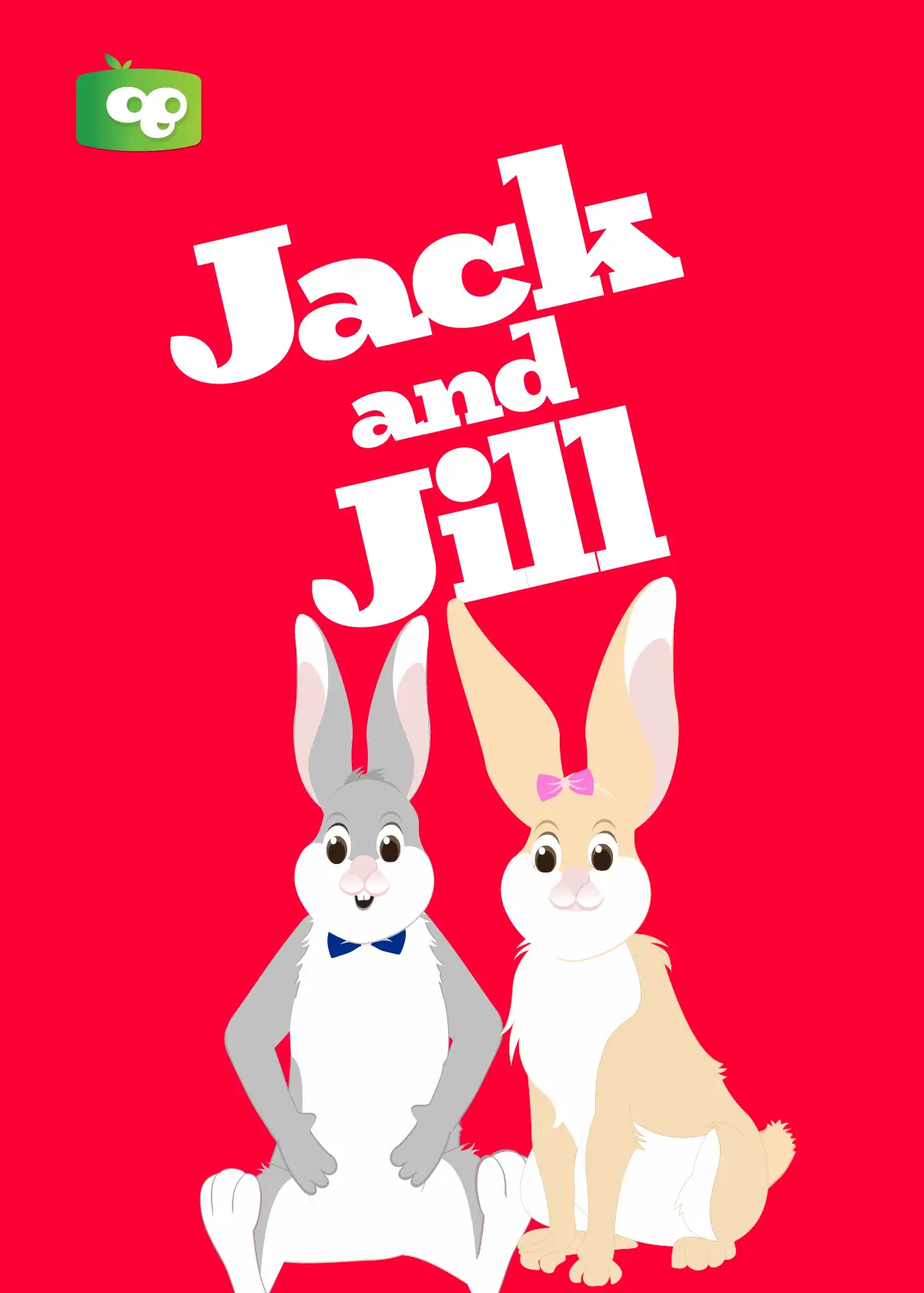
Friendly animal characters bring this timeless nursery rhyme to life as Jack and Jill climb a hill together to fetch water. When Jack takes a tumble and Jill follows, they dust themselves off and try again—this time succeeding and making their mother proud.
What your child learns:
This classic rhyme builds foundational language skills through repetition and rhythm while modeling persistence. Children absorb vocabulary naturally and see that setbacks are just stepping stones to success.
- Rhyming word recognition (hill/Jill, water/daughter)
- Story sequencing (beginning, middle, end)
- Resilience and trying again after falling
- Cooperation and helping others
- Following through on tasks
They'll use these skills when:
- Getting back up after tripping at the playground
- Helping a sibling or friend who needs assistance
- Completing simple chores like putting toys away
- Retelling stories in the correct order
The Story (what keeps them watching)
Jack and Jill set off on a mission—fetch a pail of water from the top of the hill. But uh-oh! Jack tumbles down and Jill comes rolling after. Does the adventure end there? Nope! Jack helps Jill up, brushes off the dirt, and reminds her she's okay. Together, they march back up that hill, grab the water, and bring it home. Their mother is so proud of her determined little helpers. It's a story about bouncing back and finishing what you start!
How We Teach It (the clever part)
- First 40 seconds: The rhyme introduces the characters and their goal—fetching water. Children hear the rhythmic pattern and catchy melody that makes the words stick.
- Seconds 40-65: The "problem" happens—Jack falls, Jill tumbles. But instead of giving up, we see Jack comfort Jill and encourage her. This models emotional support and resilience.
- Final 35 seconds: Success! The pair completes their task and receives praise. This reinforces that persistence pays off and helping each other matters.
Teaching trick: The repetitive structure (going up the hill twice) shows children that trying again leads to success. The rhythm makes vocabulary memorable without feeling like a lesson.
After Watching: Quick Wins to Reinforce Learning
- Mealtime activity: "Can you find words that rhyme with 'hill'?" (Practices rhyming awareness while eating—try spill, fill, still!)
- Car/travel activity: "What would YOU fetch from the top of a hill?" (Encourages imagination and narrative thinking while reinforcing the story)
- Bedtime activity: "Tell me what happened first, next, and last in Jack and Jill's adventure." (Builds sequencing skills and story comprehension)
- Anytime activity: When your child falls or drops something, say "Brush off that dirt—you're not hurt! Want to try again?" (Reinforces resilience in real moments)
When Kids Get Stuck. And How to Help.
- "My child just wants to watch it over and over!" - That's actually perfect! Repetition is how toddlers and preschoolers cement language patterns. Each viewing strengthens neural pathways for rhyming and vocabulary.
- "They don't seem to understand the story yet." - Focus on the music and movement first. Comprehension develops in layers—enjoying the rhythm comes before understanding the narrative, and both are valuable.
- "Is this too simple for my older preschooler?" - Challenge them to predict rhyming words before they're sung, or ask them to create a new ending. Classic rhymes grow with your child's abilities.
What Your Child Will Learn
Prerequisites and Building Blocks
This nursery rhyme is perfect for children just beginning their language journey—no prerequisites needed! It builds on natural rhythm recognition that babies develop from birth. Jack and Jill serves as a foundation for more complex phonemic awareness activities, preparing children for rhyming games, poetry appreciation, and eventually reading readiness. It connects beautifully to other nursery rhymes in the Little Seeds program, creating a web of familiar patterns.
Cognitive Development and Teaching Methodology
Nursery rhymes leverage the brain's natural affinity for patterns and music. At ages 1-6, children are in peak language acquisition phases where rhythmic, repetitive content creates strong memory traces. This video addresses auditory learners through melody, visual learners through animated storytelling, and kinesthetic learners who naturally bounce and clap along. The narrative arc provides cognitive scaffolding for understanding cause and effect.
Alignment with Educational Standards
Jack and Jill supports early literacy standards including phonological awareness (recognizing rhymes), comprehension (sequencing events), and vocabulary development. It aligns with kindergarten readiness indicators for retelling familiar stories and identifying words that rhyme. Teachers expect incoming students to recognize common nursery rhymes—this video builds that cultural literacy while developing the oral language skills foundational to reading success.
Extended Learning Opportunities
Extend learning with rhyme-matching games in the Kokotree app, or print simple sequencing cards showing the story's events for children to arrange. Create a "rhyme jar" at home where family members add rhyming word pairs. Act out the story with stuffed animals, or take a nature walk to find a hill and discuss what's at the top. Water play activities connect beautifully to the "pail of water" theme.
Transcript Highlights
- "Jack fell down and broke his crown, and Jill came tumbling after." — Introduces the conflict with vivid, memorable language
- "Brush off that dirt for you're not hurt, let's fetch that pail of water." — Models encouragement and resilience
- "And took it home to mother dear, who thanked her son and daughter." — Demonstrates task completion and positive reinforcement
Character Development and Story Arc
Jack demonstrates remarkable growth mindset in this brief narrative. After falling, he doesn't cry or give up—he immediately shifts to helping Jill and reframing the setback. His words "you're not hurt" model positive self-talk that children can internalize. Jill shows trust in accepting help. Together, they demonstrate that cooperation makes difficult tasks achievable. The mother's thanks at the end reinforces that persistence and teamwork are valued.
Language Development Through Nursery Rhymes: A Deep Dive
Nursery rhymes are among the most powerful tools for early language development, and research consistently shows their profound impact on literacy outcomes. Jack and Jill exemplifies why these simple verses matter so much.
Phonological Awareness: The rhyming pairs in this song (hill/Jill, water/daughter, crown/down) train young ears to detect sound patterns—a critical pre-reading skill. Children who can identify rhymes by age 4 show significantly stronger reading abilities by age 7. Each repetition strengthens the neural pathways responsible for sound discrimination.
Vocabulary Acquisition: Words like "fetch," "pail," "crown," and "tumbling" may be unfamiliar to modern children, but context and repetition make them accessible. This exposure to rich vocabulary through enjoyable content builds the word knowledge that predicts reading comprehension.
Narrative Structure: Even in 100 seconds, Jack and Jill contains a complete story arc: goal (fetch water), conflict (falling down), resolution (trying again and succeeding). This structure teaches children how stories work, preparing them to comprehend increasingly complex narratives.
Memory and Fluency: The rhythmic, melodic nature of nursery rhymes makes them "sticky"—children remember them effortlessly. This builds confidence in language production and provides a foundation for memorization skills used throughout education.
Prosody and Expression: Singing nursery rhymes teaches children about the musical qualities of language—rhythm, stress, and intonation patterns that help with both speaking expressively and eventually reading with fluency rather than word-by-word decoding.