
What's Jingle Bells About?
Get ready for a musical adventure that has little ones clapping, singing, and bouncing along! Your child will discover how rhythm, repetition, and melody work together while building confidence in their singing voice.
2 minutes
Ages 1-6
Skill: Musical rhythm and pattern recognition
Your kid watches friendly animals sing a catchy classic tune. You get 2 minutes to [finish that cup of coffee].
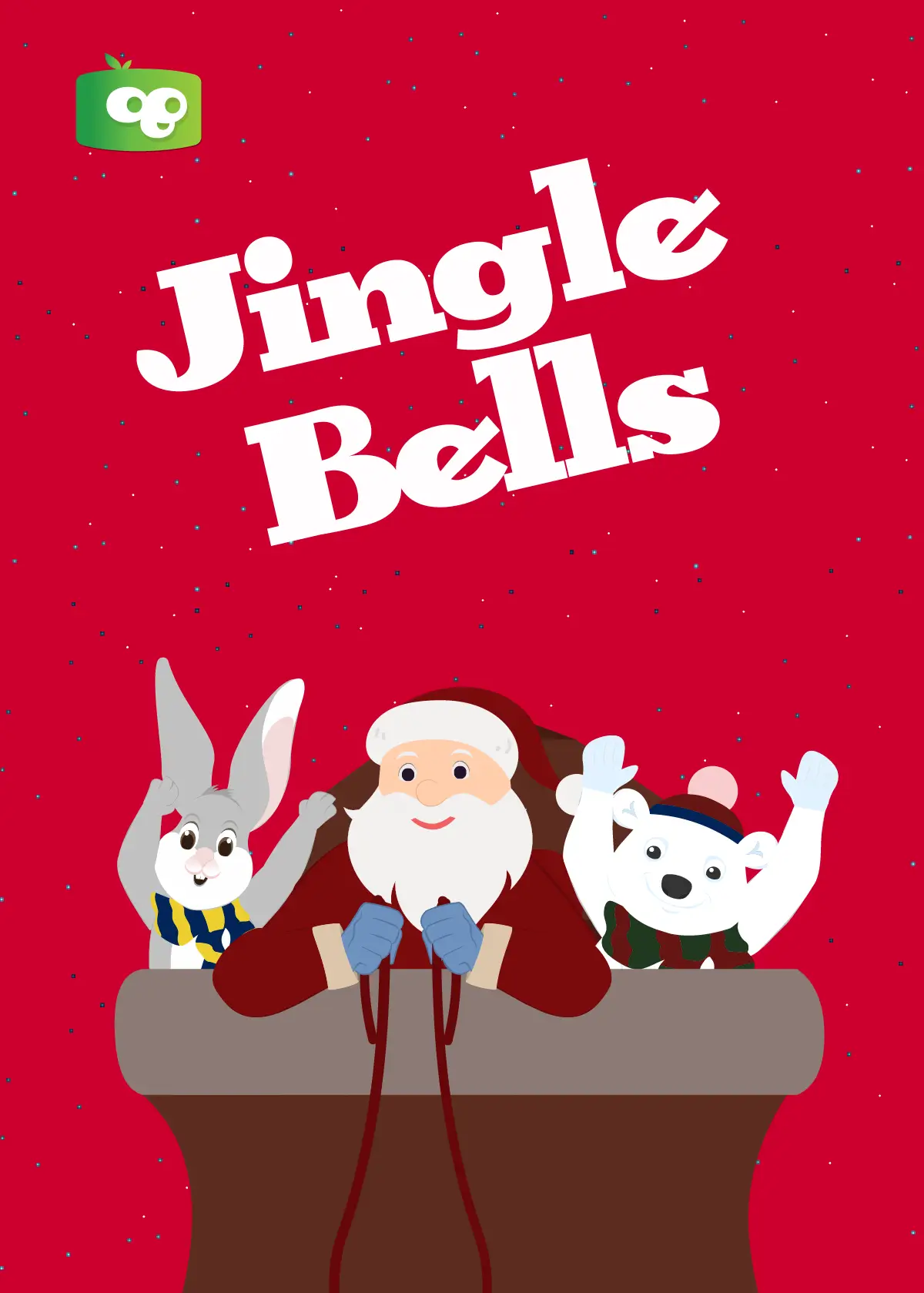
Colorful animal friends from the Kokotree universe lead your little one through this timeless sing-along song. Watch as cheerful characters demonstrate clapping along to the beat while the familiar melody plays. The repetitive chorus makes it easy for even the youngest viewers to join in.
What your child learns:
This classic song is a powerhouse for early musical development. The repetitive structure helps children predict what comes next, building memory and pattern recognition skills that transfer to reading and math readiness.
- Recognizes and anticipates repeating musical patterns
- Practices keeping a steady beat through clapping or movement
- Builds vocabulary through song lyrics (sleigh, dashing, spirits)
- Develops memory skills by learning chorus repetition
- Strengthens listening comprehension and auditory processing
They'll use these skills when:
- Clapping along to music at a playgroup or music class
- Recognizing patterns in everyday life (day/night, seasons)
- Following multi-step instructions that have a rhythm or sequence
- Participating in group singing activities at preschool
The Story (what keeps them watching)
The Kokotree animal friends take little ones on a musical journey through a snowy landscape! Watch as they dash through the snow, bells ringing merrily as they go. The characters demonstrate pure joy as they sing together, inviting your child to join the fun. With each chorus, the song becomes more familiar, and by the end, your little one will be ready to sing along independently. The upbeat tempo and friendly faces keep even the wiggliest toddlers engaged from start to finish.
How We Teach It (the clever part)
- First 30 seconds: The melody is introduced with visual cues that help children connect sounds to the rhythm, establishing the beat pattern early.
- Minutes 0:30-1:15: The main chorus repeats multiple times, giving children several opportunities to recognize the pattern and start singing along with increasing confidence.
- Final 30 seconds: The song wraps up with a final energetic chorus, reinforcing everything learned and leaving children feeling accomplished and eager to sing again.
Teaching trick: The chorus repeats four times throughout the video—this isn't accidental! Research shows young children need 4-6 repetitions to begin memorizing new content. By the third chorus, most children are already mouthing the words.
After Watching: Quick Wins to Reinforce Learning
- Mealtime activity: "Can you tap your spoon to the beat while we hum the tune together?" (Practices rhythm and fine motor coordination while keeping mealtime fun)
- Car/travel activity: "Let's sing it together! I'll sing the first part, you sing 'jingle bells'!" (Builds turn-taking skills and memory through call-and-response)
- Bedtime activity: "What sounds do bells make? Can you make a soft jingling sound with your voice?" (Develops phonemic awareness and sound exploration)
- Anytime activity: "Let's march around the room while we sing—step on every beat!" (Connects rhythm to gross motor movement, reinforcing the beat pattern physically)
When Kids Get Stuck. And How to Help.
"My child just watches but won't sing along." - Totally normal! Children often need to hear a song 10+ times before they feel confident singing. Keep playing it, and one day they'll surprise you by singing every word. Model singing yourself without pressure.
"They can't keep the beat when clapping." - Beat-keeping develops gradually between ages 2-5. Try slowing down and clapping together while holding their hands, or use bigger movements like marching instead of clapping.
"My toddler loses interest before the song ends." - Two minutes is actually a solid attention span for ages 1-3! If they wander off, that's okay. The melody is already working its way into their memory. Try watching together and making it interactive with movement.
What Your Child Will Learn
Prerequisites and Building Blocks
This video is perfect for children at any stage of musical development—no prerequisites needed! It builds on natural infant responses to rhythm and melody. Children who have watched other Kokotree music videos will recognize the format, but newcomers will jump right in. This song establishes foundational beat-keeping skills that prepare children for more complex musical concepts like tempo changes and dynamics in future videos.
Cognitive Development and Teaching Methodology
Repetition is the cornerstone of early childhood learning, and this video leverages it beautifully. The chorus appears multiple times, allowing children to move from passive listening to active participation. This approach honors the developmental reality that young children learn through repeated exposure. Visual, auditory, and kinesthetic learners all benefit—they see the characters, hear the melody, and are encouraged to move along.
Alignment with Educational Standards
This video supports early learning standards for music and movement found in most state kindergarten readiness frameworks. It addresses Head Start Early Learning Outcomes Framework goals for "exploring and responding to creative arts" and builds phonological awareness through rhyme recognition. Teachers expect entering kindergarteners to participate in group singing activities—this video builds that exact skill.
Extended Learning Opportunities
Pair this video with Kokotree's rhythm games that let children tap along to beats. Create simple shakers using sealed containers with rice or beans to add instrument play. Draw pictures of what the song describes—snow, a sleigh, bells. Look for other Kokotree sing-along videos to build a playlist that develops musical memory progressively. Practice identifying high and low sounds in the melody.
Transcript Highlights
- "Jingle bells, jingle bells, jingle all the way" - The repetitive chorus structure teaches pattern recognition and provides multiple entry points for children to join singing
- "Dashing through the snow, in a one horse open sleigh" - Introduces action vocabulary and paints vivid mental imagery
- "Bells on bob tail ring, making spirits bright" - Exposes children to rhyming words (ring/sing) building phonemic awareness
- "Oh what fun it is to ride and sing a sleighing song tonight" - Models the joy of singing together, encouraging participation
Character Development and Story Arc
The Kokotree animal characters model enthusiastic participation throughout the video. They demonstrate that singing is joyful, not perfect—encouraging children to join in without fear of making mistakes. The characters show engaged listening during verses and energetic participation during choruses, teaching children appropriate times to sing along versus listen. Their expressions convey pure delight in music-making, fostering a positive association with musical activities.
Musical Development and Early Rhythm Skills Deep Dive
Music education in early childhood does far more than teach songs—it builds brains. Research consistently shows that musical training strengthens the neural pathways responsible for language development, mathematical thinking, and executive function. This video specifically targets beat perception, one of the earliest musical skills to develop.
Beat perception emerges around 6-12 months when infants begin bouncing to music. By ages 2-3, children can clap along to a steady beat with support, and by ages 4-5, most can maintain independent beat-keeping. This song's consistent 4/4 time signature and moderate tempo (approximately 100 BPM) falls perfectly within the range young children can process and follow.
The repetitive chorus structure serves a crucial developmental purpose. Working memory in children ages 1-6 is still developing, holding only 2-3 items at a time. By repeating "jingle bells, jingle bells, jingle all the way," the song creates a memorable chunk that children can store and retrieve. This chunking strategy is the same technique that helps children learn the alphabet song or counting sequences.
Rhyme recognition, another skill this video develops, is a powerful predictor of later reading success. When children notice that "way" and "sleigh" sound similar, they're building phonological awareness—the understanding that words are made of smaller sound units. This awareness is foundational for phonics instruction and decoding skills.
The melody's range stays within an octave, making it singable for young voices still developing pitch control. Children's vocal cords are shorter and thinner than adults', so their comfortable singing range is higher and narrower. This song respects those physical limitations while still providing melodic interest that keeps children engaged.