
 Get started free
Kokotree Early Education App
Do you remember the times when a little drizzle would have you humming Rain, rain, go away? Nursery rhymes like this aren’t just catchy tunes; they’re a blend of culture, history, and early childhood education. This guide takes you through everything about the beloved Rain, Rain, Go Away rhyme. From its origins to its benefits for children, we cover it all!
Known universally for its simple lyrics, this nursery rhyme song has been a staple in childhood for generations.
Rain, rain, go away,
Come again another day.
Little Johnny wants to play;
Rain, rain, go away.
This melody has been etched in our memories, weaving stories of cloudy days and playful moments.

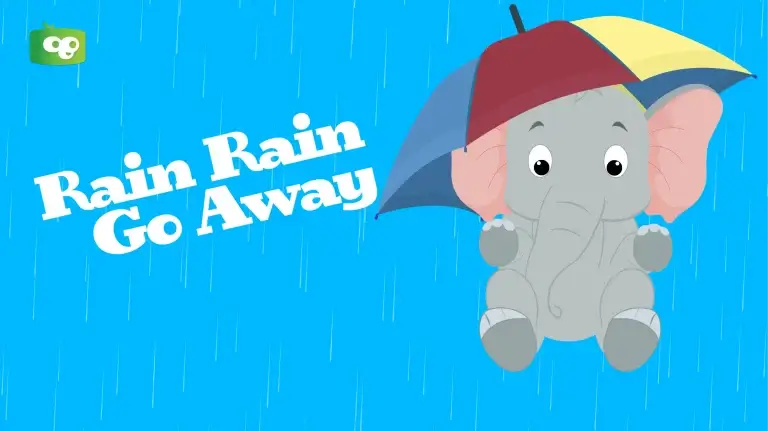
In the digital age, nursery rhymes have leaped off the pages and onto our screens, bringing with them a burst of color, movement, and engagement. One such classic that has been reimagined for modern times is Rain Rain Go Away video.
Below, we’ve embedded a delightful video rendition that takes this age-old rhyme and breathes new life into it. Through vibrant animation and melodic tunes, it’s set to enchant both kids and adults alike.
Having watched that, it’s clear why “Rain Rain Go Away” remains such a favorite. The timeless message combined with modern animation ensures it continues to resonate with today’s generation.
Preschool songs like these don’t just entertain; they offer children a visual and auditory learning experience, making the age-old tradition of passing down nursery rhymes even more rich and immersive.
So, next time it’s a rainy day, and your child is indoors, remember this video as the perfect blend of education and entertainment.
Rain, Rain, Go Away is not just a simple tune and nursery rhyme that resonates with the sentiments of children and adults alike. The layers to its origins, meanings, and the fascinating evolution over the centuries deserve a detailed exploration.
The beginnings of rain rain go away come back another day are cloaked in history, making it challenging to pinpoint an exact origin. Historians believe that the song has been around for several centuries, primarily due to its universal theme. The human desire for clear skies and the yearning for the rain to make way for the sun are emotions that transcend borders, races, and generations.
What’s particularly fascinating about Rain, Rain, Go Away is its adaptability. As this nursery rhyme traveled across continents and cultures, it underwent various transformations to resonate better with local customs and dialects.
For instance, in some parts of Europe, it’s not uncommon to hear a version where the rain is asked to retreat to Spain or another nearby country. In Asia, the references could change, with the rain being requested to move towards a mountain or a distant land.
Yet, amidst these variations, the rhyme’s essence remains intact: a universal plea for brighter days, for the rain to pause, and for playtime to commence.
At its core, Rain, Rain, Go Away reflects humanity’s relationship with nature. The rain, though essential and often beautiful, can also bring with it a sense of confinement, especially for children eager to play outside. The rhyme becomes an expression of that impatience, a collective yearning for the joys that sunny days bring.
Furthermore, the rhyme encapsulates the transient nature of life’s challenges. Just as the rain is asked to return “another day,” the song subtly reminds its young listeners that difficulties are temporary, and brighter days are always on the horizon.
Over the years, Rain, Rain, Go Away has found its place not just in the playgrounds, but also in literature, films, and other art forms. Various adaptations and interpretations showcase its enduring popularity and relevance. From being used as metaphors in novels to being adapted into elaborate musicals or plays, the rhyme’s legacy is rich and varied.

Nursery rhymes, as simple as they may seem, are often a blend of entertainment, culture, and developmental tools. “Rain, Rain, Go Away” is no exception. This universally loved tune is more than just a song to pass the time; it’s a vessel of growth for young minds. Let’s dive deeper into the multifaceted benefits this rhyme brings:
The topic of weather, something so seemingly mundane to adults, is a marvel in the eyes of children. As they recite the lines of the song, the inquisitive wheels in their minds begin to turn: Why does it rain? What causes those big, fluffy clouds? When they ask, “When will it stop?” they’re not just referring to the rain, but questioning the world around them. This sense of wonder is what drives future scientists, explorers, and thinkers.
Imagine a group of kids, huddled indoors, eagerly awaiting the rain’s end to resume their playground escapades. This song resonates with that collective moment, fostering a sense of camaraderie and shared anticipation. Through its lyrics, children are introduced to concepts of patience, sharing experiences, and the delights of communal play. Furthermore, the rhyme serves as a valuable tool in nurturing their social and emotional learning, laying a foundation for robust interpersonal relationships in the future.
Life isn’t always sunny, and rain isn’t always welcome. Through this rhyme, children are introduced to the spectrum of emotions. While rain might symbolize gloom for some, it represents joy and rejuvenation for others. Discussing these differing reactions can serve as a starting point to deeper conversations about feelings, empathy, and understanding.
For children, the world is a big, fascinating place waiting to be discovered. This song offers them a tiny window into meteorology and learning about weather. They begin to grasp basic weather concepts and differences between a bright sunny day and a wet rainy one. It’s a stepping stone to more in-depth discoveries about the environment and earth sciences.
The consistent beat of “Rain, Rain, Go Away” isn’t just catchy—it’s educational. This rhythm helps develop a child’s auditory skills and musical appreciation. Recognizing patterns and repetitions in songs can assist in refining motor skills and coordination. Moreover, it aids in enhancing their linguistic abilities, setting the stage for better speech and language acquisition.
The rhyme excels in its introduction to phonics. Words with similar sounds, such as “away”, “day”, and “play”, provide youngsters with basic lessons in word families and rhyming structures. This exposure is invaluable when they begin their journey into reading, making the process smoother and more intuitive.
Nursery rhymes are more than just a singing affair; they’re springboards for countless activities. Once the infectious tune of “Rain, Rain, Go Away” ends, the playtime can still continue. Here’s a more detailed list of activities to keep the fun rolling:
Why view rain as a playtime spoiler when it can be the main attraction? Dress your little ones in raincoats, hand them colorful umbrellas, and head outdoors. Let them jump in puddles, twirl their umbrellas, and embrace the rain’s refreshing touch. It’s not just fun but also a wonderful sensory experience!
“Rain, Rain, Go Away” has a memorable rhythm, making it perfect for musical experiments. Provide children with simple instruments – tambourines, drums, or even homemade shakers (rice in a sealed container works wonders!). Encourage them to tap, shake, and beat along with the song, discovering their unique musical styles.
Children adore making things their own. Challenge them to come up with their own versions of the rhyme. Whether it’s “Rain, rain, fly away, come again on a holiday” or any other fun twist, they’ll have a blast. You can even hold a mini-contest to see who comes up with the funniest or most creative version!
Turn the song into an educational activity by maintaining a ‘Weather Journal’. After singing, let kids look out the window and sketch the day’s weather. Over time, this can lead to discussions about different weather patterns, seasons, and the science behind them.
Set up a small indoor play area where kids can act out the song. Use props like stuffed animals, toy clouds, and suns, and let them recreate the scenario of waiting for the rain to pass. It’s a wonderful way to boost their imaginative skills.
Crafting is always a hit with kids. Hand out blue construction paper (as the sky), white cotton balls (as clouds), and let the children create their rainy sky. They can even use blue crepe paper strips or yarn for rain. Once done, these can be hung up as adorable rainy day decorations.
The rhyme can be the beginning of a story. Ask questions like, “What happened after the rain went away?” or “Why did the rain want to stay?”. Let kids come up with their imaginative tales. It’s an excellent way for them to hone their narrative skills.
Using a tin can and some dried beans or rice, kids can replicate the sound of rain. By gently tilting the can, they can create the soft pitter-patter of a drizzle or the roaring sound of a downpour.
By integrating “Rain, Rain, Go Away” into various activities, parents and educators can ensure children remain engaged, entertained, and educated, all at once. Remember, every rhyme is an opportunity to play, learn, and grow!
Have you ever watched the rain and felt like singing? You’re not alone! Many songwriters love the rain too. They’ve written songs about rainy days, big thunderstorms, or just light drizzles. “Rain, Rain, Go Away” is a favorite for kids. But it’s just one of many songs out there that are inspired by those wet days.
Imagine a game of “telephone”, where one person whispers a message, and it changes as it goes along. That’s kind of what happened with “Rain, Rain, Go Away.” Over years and years, people have changed a word here or there. Some people sing, “come again another day,” while others prefer, “come back another day.” It’s neat to see how an old song can have new versions!
Today, if you type “Rain Rain Go Away” into YouTube or any video site, you’ll see lots of colorful cartoons. These are animations, showing kids and animals dancing, singing, and playing in the rain. These “cartoon poem songs” are super fun! They give a fresh twist to our old favorite song and let kids all over the world enjoy it in a new way.
“Rain, Rain, Go Away” sounds simple, right? But it has some cool things going on with its words. Take the ending sounds of “away,” “day,” and “play.” They all sound the same! That’s called rhyming. Plus, the part “ai” in “rain” is neat because it helps kids learn about sounds in words, making reading easier later on.
Rain isn’t just in “Rain, Rain, Go Away.” Nope! It’s all over music. There’s the song about a spider climbing up a waterspout, and then rain comes! Remember that one? And if you ask older folks, they’ll tell you about hit songs from the ’80s or calm blues songs that talk about rain too. Rain seems to be everyone’s favorite topic to sing about.
“Rain Rain Go Away” isn’t just any song. It’s special. It talks about nature, helps us learn new words, and even teaches us about waiting and playing with friends. And the best part? Even as we grow up, songs about rain keep us company, reminding us of fun childhood days.