
What's Granny And The Little Panda About?
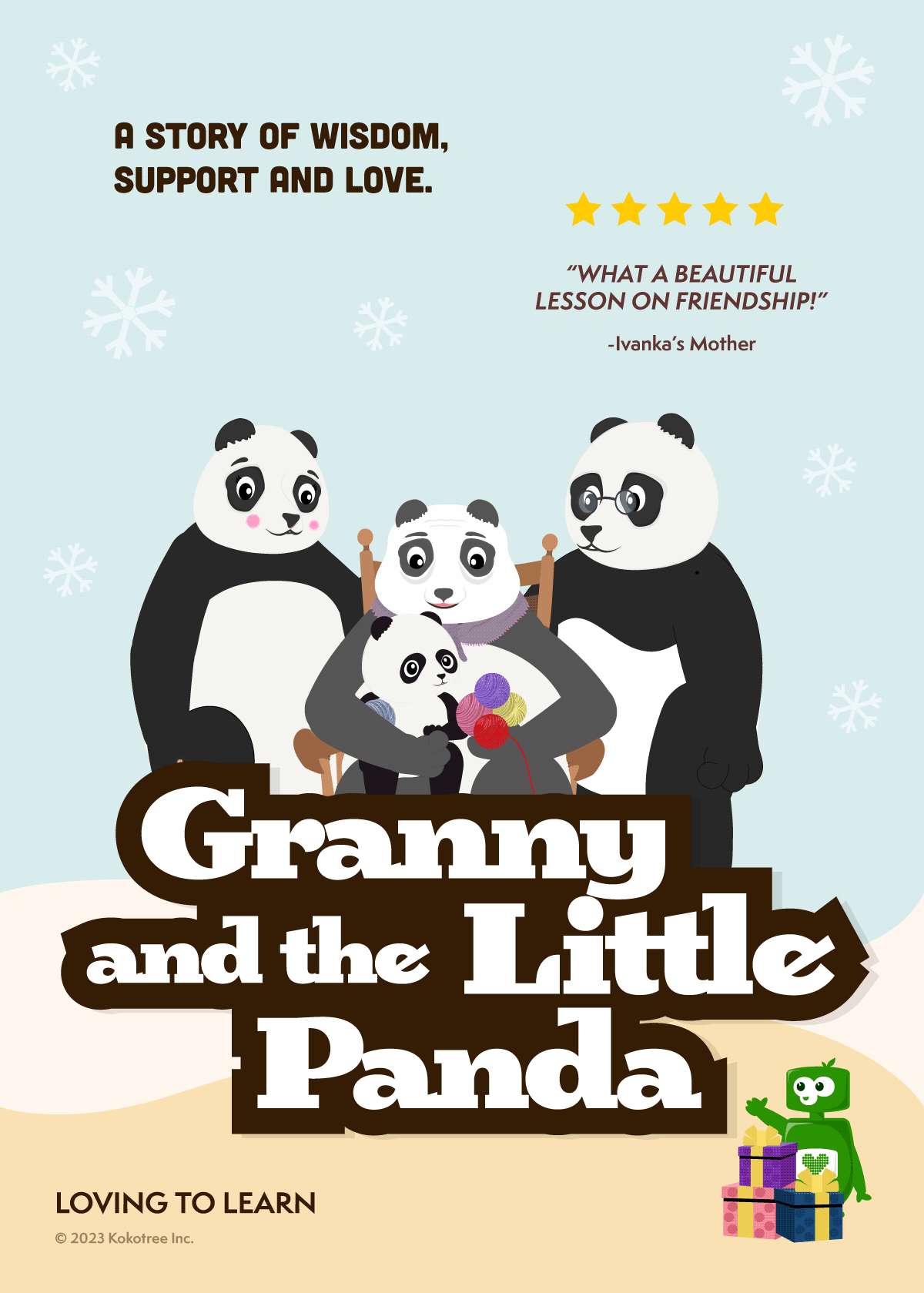
Watch your little one learn about kindness, patience, and caring for others through this sweet story about Little Panda helping her Granny. They'll see how small acts of thoughtfulness can make a big difference!
8.5 minutes
Ages 2-5
Skill: Social-emotional learning and kindness
Your kid watches Little Panda learn to care for her Granny. You get 8 minutes to [fold laundry or enjoy your coffee].
Meera Tiger gathers her animal friends by the riverside for story time. The class takes calming breaths together before diving into a tale about Little Panda, who notices her Granny needs extra help and patience. Through gentle storytelling, children see how one small panda's kindness inspires her whole family to be more caring.
What your child learns:
This story teaches children that older family members deserve patience and kindness, and that even small gestures of help matter. Kids discover that being thoughtful creates positive changes in everyone around them.
- Recognizing when others need help
- Practicing patience with people who move or eat slowly
- Identifying colors (yellow, blue, green) through yarn and gifts
- Understanding that kindness inspires more kindness
- Learning calming breathing techniques
They'll use these skills when:
- Visiting grandparents or older neighbors and noticing ways to help
- Waiting patiently for a younger sibling or friend who needs more time
- Choosing colors for art projects or picking out clothes
- Calming themselves down before a new activity or bedtime
The Story (what keeps them watching)
Meera Tiger invites her class to hear about Granny Panda, who comes to live with Little Panda's family. While everyone loves having Granny around, they sometimes forget she needs extra help—her paws shake and she eats slowly. When Granny accidentally drops her teacup, Little Panda wants to fix it and even save the pieces for when Mama gets older someday. This sweet gesture reminds the whole family to be more patient and kind. Papa promises to help Little Panda make a new wooden cup, and soon everyone is treating Granny with extra care and love!
How We Teach It (the clever part)
- First 2 minutes: Meera introduces the concept of grandparents being special, then guides children through a calming breath exercise to prepare for focused listening.
- Minutes 2-6: The story unfolds showing both challenges (Granny struggling to eat, the broken cup) and solutions (Little Panda's kindness, the family's changed behavior).
- Final 2 minutes: Meera reinforces the lesson directly, encouraging children to appreciate and thank their grandparents.
Teaching trick: The video uses a "story within a story" format—children watch familiar animal friends learn alongside them, making abstract concepts like patience and empathy feel concrete and achievable.
After Watching: Quick Wins to Reinforce Learning
- Mealtime activity: "Can you eat your food slowly like Little Panda did?" (Practices patience and mindful eating while connecting to the story)
- Car/travel activity: "What color scarf would you make for someone you love?" (Reinforces color recognition while discussing thoughtful gift-giving)
- Bedtime activity: "Let's do our breathing like Meera Tiger—breathe in, breathe out, and relax." (Practices the calming technique from the video's opening)
- Anytime activity: "Can you think of one way to help someone today, like Little Panda helped Granny?" (Encourages applying kindness concepts in real life)
When Kids Get Stuck. And How to Help.
- "My child doesn't understand why Granny needed help." - That's normal! Young children are still developing empathy. Point out times when your child needed help (tying shoes, reaching something high) to build the connection.
- "My child got upset when the teacup broke." - This shows emotional engagement with the story! Reassure them that accidents happen and focus on how Little Panda found a solution instead of getting upset.
- "Is this too advanced for my toddler?" - Even if they don't grasp every detail, they're absorbing the emotional tone of kindness and patience. The breathing exercise and color identification work for all ages in this range.
What Your Child Will Learn
Prerequisites and Building Blocks
This video works well for children who can follow a simple narrative and recognize basic emotions like happy and sad. It builds on foundational story-listening skills developed in earlier Kokotree videos. No prior knowledge is required—the story introduces concepts of patience and helping others at an accessible level. Children who have practiced sitting for short stories will get the most from this 8.5-minute experience, which serves as a stepping stone toward longer narrative comprehension.
Cognitive Development and Teaching Methodology
The video employs narrative transportation—children become emotionally invested in Little Panda's journey, making abstract concepts tangible. The opening breathing exercise activates the parasympathetic nervous system, preparing young minds for focused attention. Visual storytelling shows rather than tells: children see Granny's shaking paws and the broken cup, building observational skills. The "story within a story" format (classroom framing) creates safe distance while maintaining engagement, a technique proven effective for social-emotional learning.
Alignment with Educational Standards
This video supports early learning standards for social-emotional development, specifically recognizing others' needs and demonstrating caring behaviors. It aligns with kindergarten readiness indicators for listening comprehension, following multi-step narratives, and identifying story elements. The color identification (yellow, blue, green) supports early math/sorting standards. The breathing exercise addresses self-regulation benchmarks increasingly emphasized in preschool curricula nationwide.
Extended Learning Opportunities
Pair this video with simple craft activities like making paper "gifts" for family members using different colored paper. Practice the breathing technique daily as a calming ritual. Encourage children to draw pictures of ways they can help others. The Kokotree app offers additional videos on colors and feelings that complement this content. Consider reading picture books about intergenerational relationships to extend the theme beyond screen time.
Transcript Highlights
- "There's something special about grandparents. They've been around for a long time, and they've seen a lot of life. They have wisdom and experience that we can learn from."
- "First though, let's breathe in... Now, breathe out... And relax."
- "I want to keep this cup for you when you get older like Granny."
- "Little Panda taught us that we should care about our grandparents. She was kind to her Granny and helped her."
Character Development and Story Arc
Little Panda models ideal learning behaviors throughout: observing others' needs, asking questions ("Do you have any glue?"), and taking initiative to solve problems. The character demonstrates persistence when adults are initially too busy to help, showing children that gentle persistence pays off. Importantly, Little Panda's kindness creates a ripple effect—the whole family changes their behavior, teaching children that their actions matter and can influence others positively.
Social-Emotional Development: Understanding Patience and Helping Others
This video addresses crucial social-emotional milestones for children ages 2-5. At this developmental stage, children are transitioning from parallel play to more interactive social awareness. They're beginning to recognize that others have different needs and abilities—a foundational component of empathy development.
The story presents age-appropriate challenges: Granny Panda moves slowly, has difficulty eating, and accidentally breaks things. These scenarios mirror real experiences children may have with older relatives or even younger siblings. By watching Little Panda respond with patience rather than frustration, children see prosocial behavior modeled in action.
Research in developmental psychology shows that narrative examples are particularly effective for teaching empathy to young children. When kids identify with a character like Little Panda, they mentally rehearse kind behaviors, making them more likely to act similarly in real situations.
The video also introduces emotional vocabulary implicitly—lonely, happy, patient, kind—building the language children need to discuss feelings. The breathing exercise at the beginning teaches a concrete self-regulation strategy that children can use when they feel frustrated or overwhelmed.
Crucially, the story shows that helping others feels good. Little Panda beams with pride when presenting the gifts, and the family's joy at the end reinforces that kindness creates positive outcomes for everyone. This intrinsic motivation approach is more effective than external rewards for building lasting prosocial habits.