
What's Sight Words A to F About?
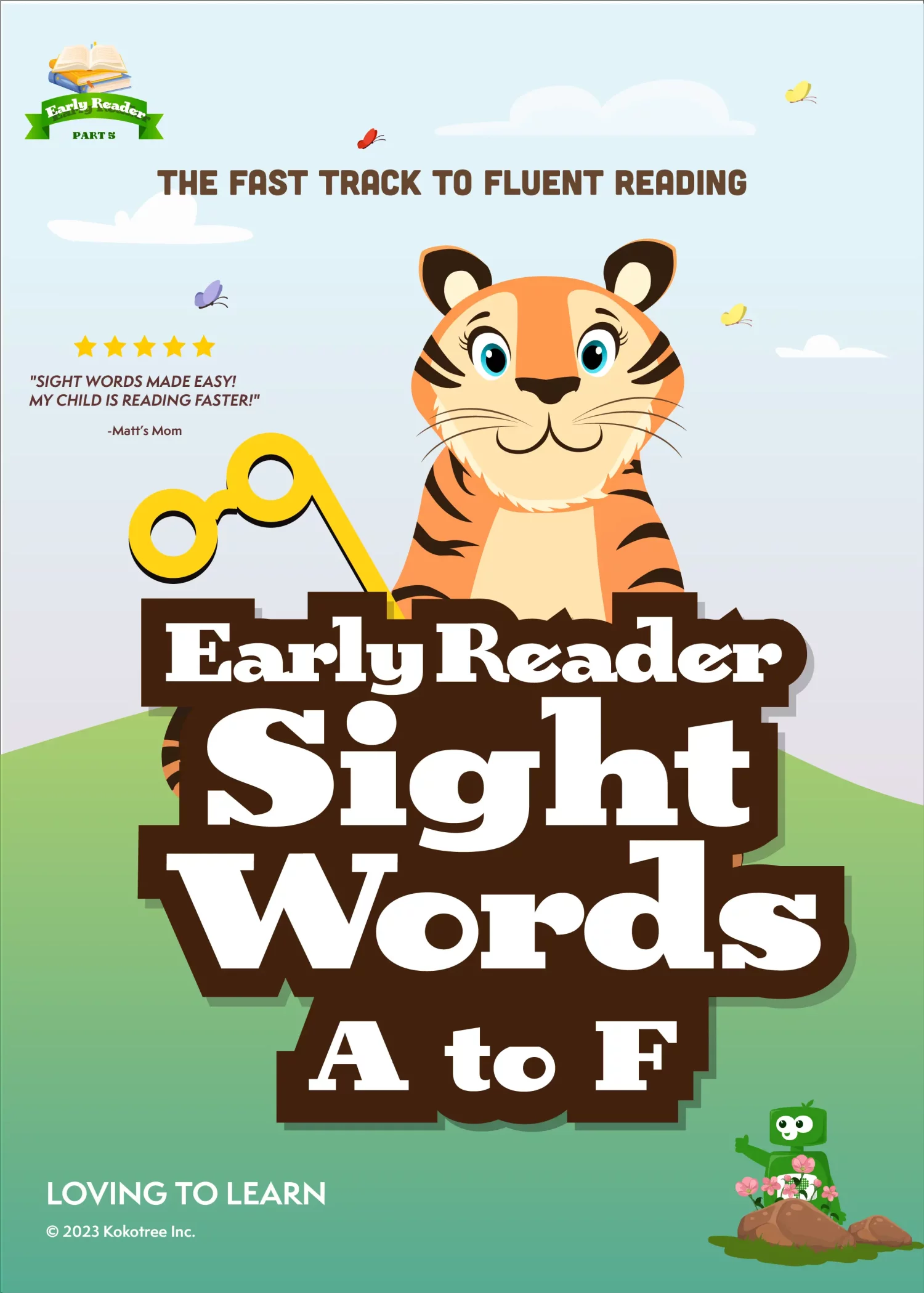
Your child joins Meera the hippo by a peaceful jungle pond to practice 25 must-know sight words that unlock reading fluency! After watching, they'll recognize common words instantly—no sounding out required.
2.5 minutes
Ages 3-6
Skill: Recognizing high-frequency reading words
Your kid watches Meera teach sight words in a calming jungle. You get 2.5 minutes to sip your coffee in peace.
Meera lounges in a refreshing pond surrounded by butterflies, frogs, and ladybugs. She hops out, shakes off, and guides your child through sight words starting with letters A through F. Bobby Bear even makes a surprise cameo when his name appears!
What your child learns:
Sight words are the building blocks of reading—they appear so often that recognizing them instantly makes reading smoother and faster. Your child will practice 25 essential words organized by starting letter, building automatic word recognition.
- Instantly recognizes words like "and," "are," "all," and "about"
- Identifies sight words beginning with B, C, D, E, and F
- Practices verbal repetition for memory reinforcement
- Understands that some words are memorized, not sounded out
- Builds confidence for early reading success
They'll use these skills when:
- Spotting the word "STOP" on a sign during a walk
- Reading simple picture books at bedtime
- Recognizing familiar words on cereal boxes and food labels
- Writing their first sentences and short notes
The Story (what keeps them watching)
Meera the hippo is enjoying a relaxing dip in a jungle pond when your child drops by for a lesson! Surrounded by chirping birds, hopping frogs, and wiggling caterpillars, Meera introduces sight words—those magical words readers just "know" without sounding out. She guides kids through words starting with A, B, C, D, E, and F, with a fun surprise when Bobby Bear pops in to wave hello at his own name. It's calm, encouraging, and perfectly paced for little learners.
How We Teach It (the clever part)
- First 30 seconds: Meera welcomes viewers and explains what sight words are—words you read without sounding out—setting clear expectations for the lesson.
- Minutes 0:30-2:00: Children repeat sight words organized by letter (A through F), with visual text reinforcement and Meera's encouraging prompts.
- Final 30 seconds: Meera celebrates their effort, reminds them that practice makes perfect, and builds excitement for the next lesson.
Teaching trick: Organizing words by starting letter helps kids see patterns and creates mental "filing cabinets" for easier recall later.
After Watching: Quick Wins to Reinforce Learning
- Mealtime activity: "Can you find the word 'and' on this cereal box?" (Practices spotting sight words in everyday print—no prep needed!)
- Car/travel activity: "Let's say our A words together: A, An, At, Are, As, And, All!" (Reinforces memory through repetition during any drive or walk.)
- Bedtime activity: "Point to any word you recognize on this page!" (Builds confidence by letting them show off new skills during story time.)
- Anytime activity: "I spy a word that starts with B—can you read it?" (Turns any printed material into a sight word treasure hunt.)
When Kids Get Stuck. And How to Help.
- "My child can't remember all 25 words!" - Totally normal! Focus on just 3-5 words at a time. Mastering a few is better than rushing through all of them.
- "They're still sounding out these words." - That's their phonics brain working! Gently remind them these are "snap words" we just know by looking. Repetition will build automaticity.
- "This seems too easy/hard for my child." - Sight words span a range of difficulty. Celebrate the ones they know and star the tricky ones for extra practice later.
What Your Child Will Learn
Prerequisites and Building Blocks
Children benefit most from this video if they can recognize letters A through F and understand that letters form words. This lesson is Part 5 of the Early Reader Program, building on previous phonics and letter recognition foundations. It bridges letter knowledge with whole-word recognition, preparing children for the fluency needed in early reading. No prior sight word knowledge is required—this is a perfect starting point.
Cognitive Development and Teaching Methodology
Repetition-based learning aligns perfectly with how preschool brains build neural pathways. Meera's "repeat after me" approach uses auditory learning while on-screen text engages visual learners. The calm jungle setting reduces cognitive load, letting children focus entirely on the words. Organizing by starting letter leverages pattern recognition, a key developmental strength at this age.
Alignment with Educational Standards
This video addresses Common Core Foundational Skills for Reading (RF.K.3c), which expects kindergartners to read common high-frequency words by sight. The words taught ("and," "the," "but," "for") appear on Dolch and Fry sight word lists used nationwide. Mastering these words is a kindergarten readiness benchmark and supports first-grade reading fluency goals.
Extended Learning Opportunities
Pair this video with Kokotree's printable sight word flashcards for A-F words. Try the in-app Sight Word Matching Game for interactive practice. Create a "Word Wall" at home where kids add each new sight word they master. Follow up with Parts 6+ of the Early Reader Program to continue building their sight word vocabulary systematically.
Transcript Highlights
- "What are sight words? Well, they're words that you can read without sounding them out. They're important for reading and writing."
- "Just repeat after me. A. An. At. Are. As. And. All. About. After."
- "Sight words help you become a better reader. Practice makes perfect."
- "O-kay! Well done! Let's try the letter B."
Character Development and Story Arc
Meera models a relaxed, patient approach to learning. She doesn't rush—she takes time to cool off in the pond before teaching, showing kids that learning can be calm and enjoyable. Her encouraging phrases ("Well done!" "Excellent! Great job!") demonstrate positive reinforcement. Bobby Bear's playful cameo adds surprise and delight, modeling that learning includes fun moments.
The Science of Sight Word Acquisition
Sight words—also called high-frequency words—make up 50-75% of all text children encounter in early reading materials. Unlike decodable words that follow phonics rules, many sight words are irregular ("could," "been") and must be memorized as whole units. This is called orthographic mapping, where the brain stores the complete visual pattern of a word for instant retrieval.
For children ages 3-6, sight word instruction works best through repeated exposure in meaningful contexts. Meera's repetition method leverages the spacing effect—hearing words multiple times strengthens memory traces. Grouping words by starting letter provides a cognitive scaffold, helping children organize new vocabulary into existing mental categories.
Research shows that automatic sight word recognition frees up cognitive resources for comprehension. When children don't have to labor over common words like "and" or "for," they can focus on understanding what they're reading. This video teaches 25 foundational words that appear constantly in early readers, giving children a significant head start.
The calm, low-stimulation environment is intentional. Studies indicate that preschoolers learn vocabulary better without visual clutter competing for attention. Meera's jungle pond provides gentle interest without overwhelming the learning objective. This balance of engagement and focus reflects evidence-based educational design for early learners.